The Unknown Prisoner
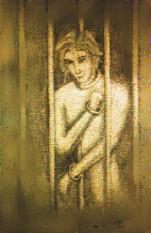
Rumours had it that in the late 18th century an man was imprisoned in the dungeon of the Imperial Palace. However, nobody knew who it was, and why he was a prisoner. There are not many who have seen this unknown prisoner, but facts prove there must have been a male prisoner in the dungeon from 1793-1799. According to the archives, prison cell number 8 has been empty during all those years, and a man has been released dead from prison in 1799 - without mentioning his cell number, and soon after that, the cell was inhabited by another prisoner, Berlik Tagaros.
Berlik Tagaros, some say, was a spy from one of the underground groups in Ildritz. That was not the reason why he was captured. He was taken prisoner because he was a follower of Molik, or so he pretended to be to get captured. After his release in 1803, he wrote a book about the Unknown Prisoner and published the facts he had discovered in cell number 8 - most probably left behind by the former occupant.
First, Berlik proves the cell had not been empty in those years. Scribbling on the wall mention activities in prison life that had occurred between 1793 and 1799. So there had been someone in there - a person whose stay in jail had to keep a secret, a cover up. But why? And most of all, who was this prisoner?
That is the subject of the second part of the book, where Berlik contemplates the underground movements of Ildritz in the late 18th century. On his imagined trips in the salons of the rich, the tales of drunken citizens of Glassgarden and the back alleys of the Kungsfelthan, he tries to find out. He even makes a fantasised trip outside Ildritz, to the Weslanan.
He came up with five suspects, five persons who might have been in prison, but of whom there is no prove they have ever existed as well. This little matter, as Berlik calls it, is just logical. Those who had a secret prisoner would want to wipe out any traces that could lead to the identity and the crimes of this person.
Berlik reveals intrigues in court life, royal bastards, royal lovers, conspiracies of Weslanan noblemen or Naglani soldiers, and ritual murders by hallunatics.
But in the end, there is no official proof of there being a prisoner. However, the idea of this probably innocent prisoner became a theme in contemporary art and literature. The mystery stays a mystery, which is a splendid theme in salons.
Related topics: